About Us

Welcome to Beed District

Welcome to Beed District, a historically rich and culturally vibrant region located in the Marathwada division of Maharashtra. Beed is a land where tradition meets transformation, known for its deep-rooted heritage, resilient communities, and evolving development landscape. Surrounded by gentle hills, dry plains, and fertile agricultural pockets, the district reflects both the challenges and strengths of rural Maharashtra.

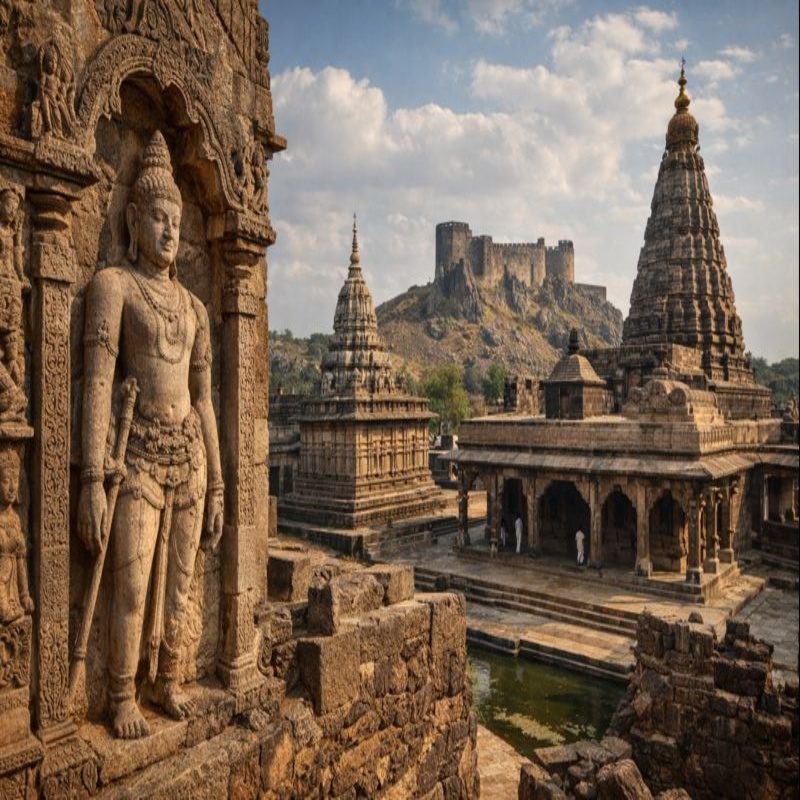
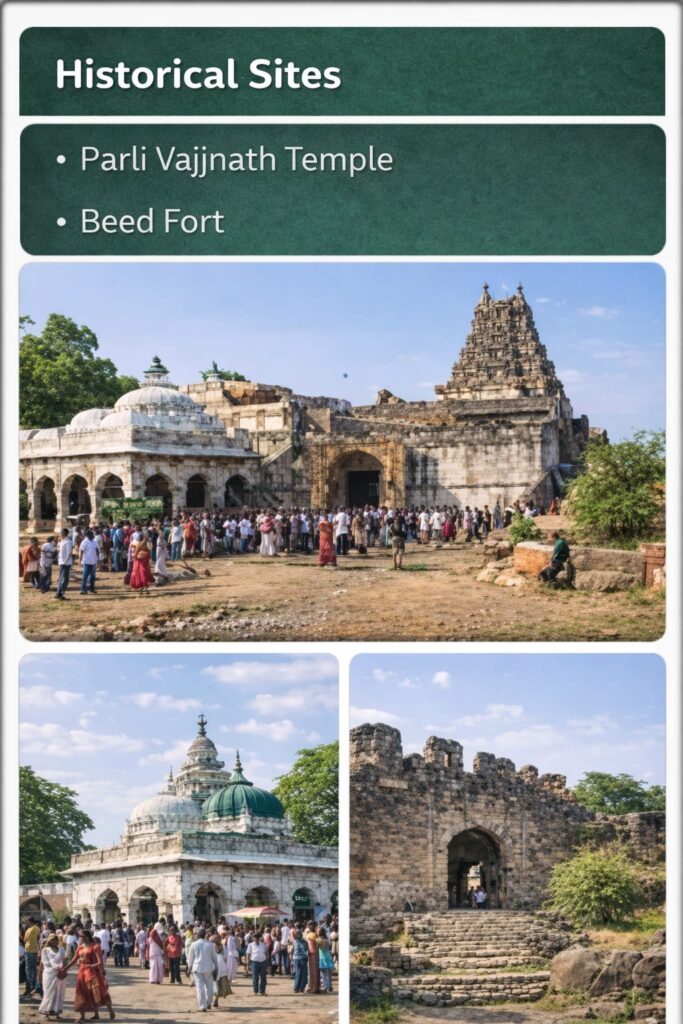
Beed has a long and significant history, influenced by ancient dynasties, medieval rulers, and the Nizam era. Historic temples, forts, dargahs, and heritage sites across the district stand as silent witnesses to centuries of social and cultural evolution. Places like Parli Vaijnath Jyotirlinga, one of the twelve sacred Jyotirlingas of Lord Shiva, attract thousands of devotees every year, making Beed an important spiritual destination.

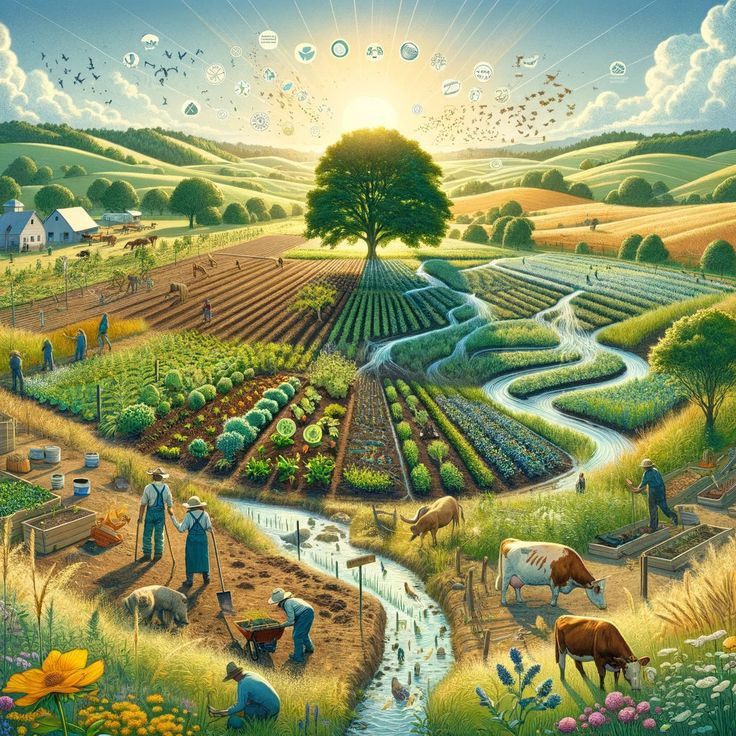
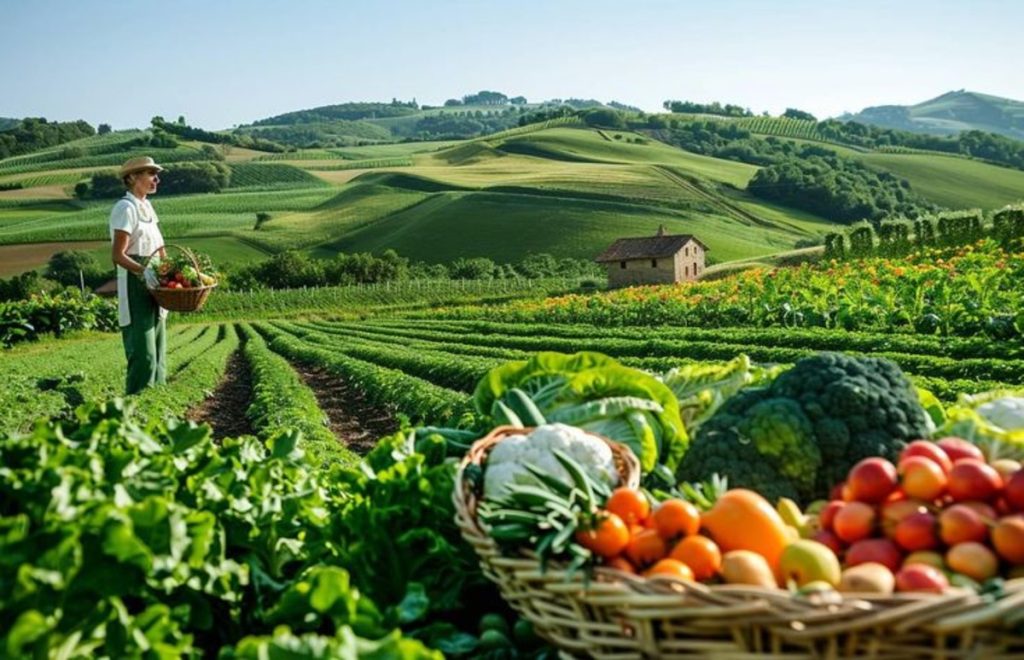
Agriculture forms the backbone of Beed’s economy, with farmers cultivating crops such as cotton, soybean, jowar, bajra, and pulses. Despite facing recurring droughts and climate challenges, the people of Beed have shown remarkable determination through innovation, water conservation efforts, and community cooperation. Alongside agriculture, the district is steadily growing in sectors such as education, small industries, renewable energy, and public infrastructure.

Culturally, Beed is a vibrant mosaic of festivals, fairs, folk traditions, and local arts. Events like village jatras, Urs celebrations, agricultural fairs, and religious festivals bring communities together, fostering unity and shared identity. The district is also known for its traditions of hospitality, simplicity, and social harmony.

Beed District continues to move forward with improvements in governance, healthcare, education, and connectivity, while staying rooted in its values and traditions. This platform is dedicated to sharing authentic and up-to-date information about local news, public life, environment, culture, development, and community stories from across the district.


Beed District – Overview

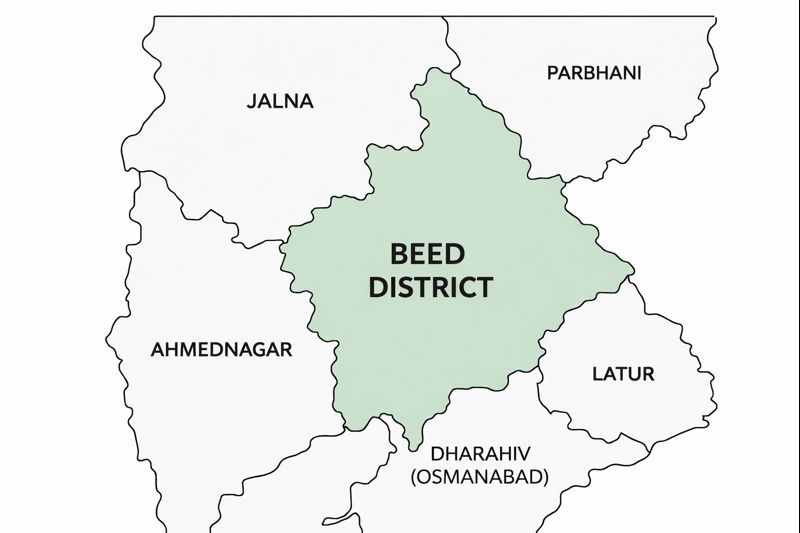
Beed District is located in the Marathwada region of Maharashtra, known for its historical importance, cultural diversity, and strong agricultural roots. The district shares boundaries with Jalna, Latur, Osmanabad (Dharashiv), Ahmednagar, and Parbhani districts. Beed serves as an important administrative and social center for surrounding rural areas.

Agriculture is the backbone of the district’s economy, with major crops including cotton, soybean, jowar, bajra, tur, and groundnut. Despite recurring droughts and water scarcity, Beed’s farming communities continue to adapt through improved irrigation, watershed management, and modern farming practices.

Beed has a rich historical legacy shaped by ancient kingdoms, the Nizam rule, and Maratha influence. 

Geography & Location

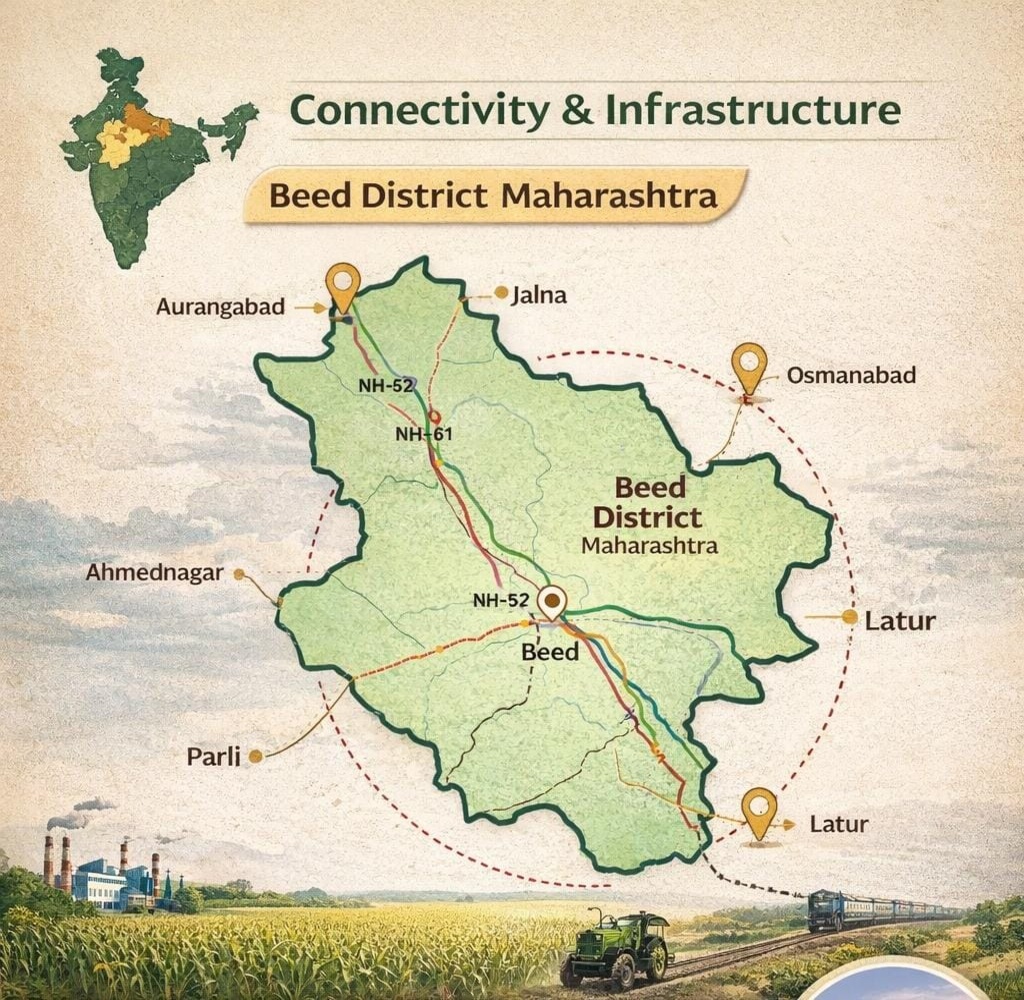
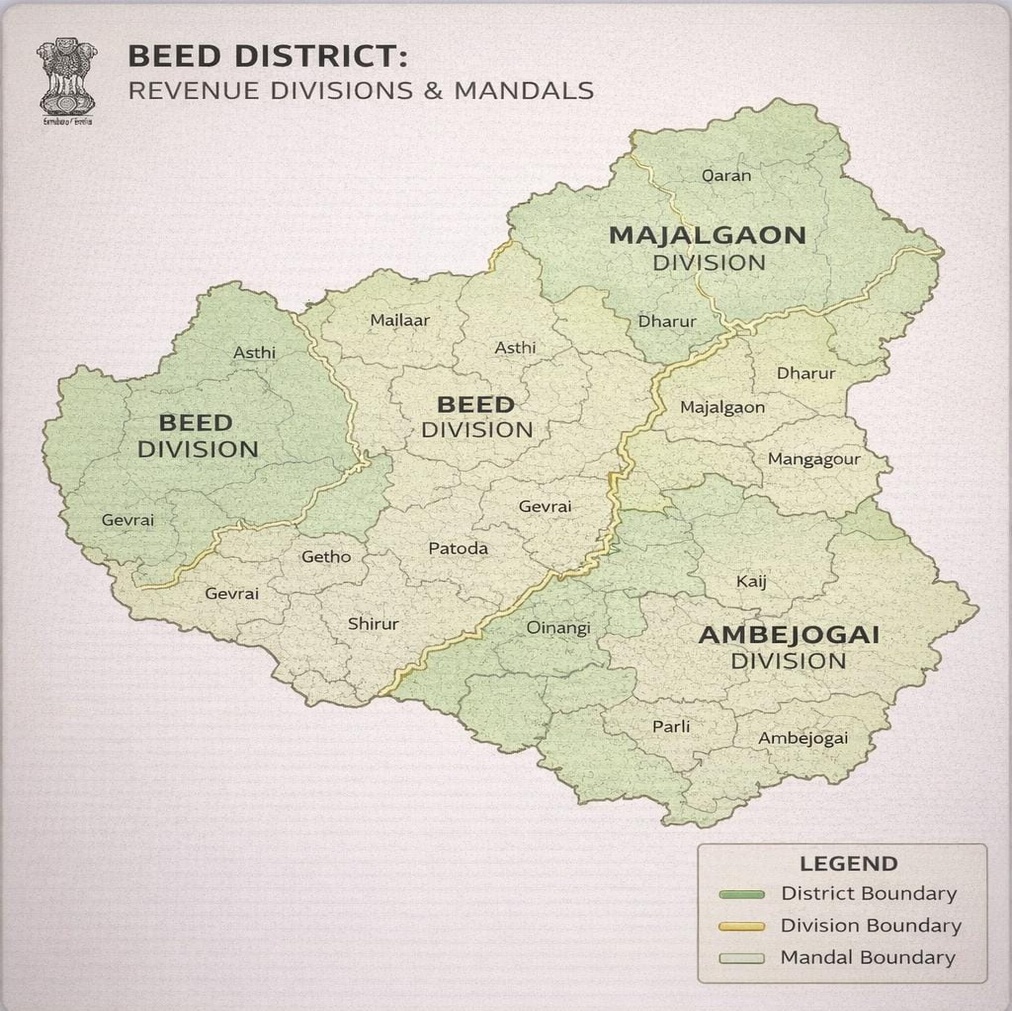
Beed District lies in the Marathwada region of Maharashtra and is bordered by:

  • Jalna District to the north

  • Parbhani District to the northeast

  • Latur District to the east

  • Dharashiv (Osmanabad) District to the south

  • Ahmednagar District to the west


History & Cultural Heritage

Beed District is one of the historically important regions of Maharashtra. In ancient times, it was known as “Bhir” and was an important center because of its location on old trade routes. The district has witnessed the rule of several powerful dynasties, which shaped its rich history.

The region was ruled by the Satavahanas, Chalukyas, Yadavas, Bahmani Sultans, and the Nizams of Hyderabad. Each dynasty contributed to the development of Beed through the construction of forts, temples, and other architectural monuments that still stand today as symbols of its glorious past.

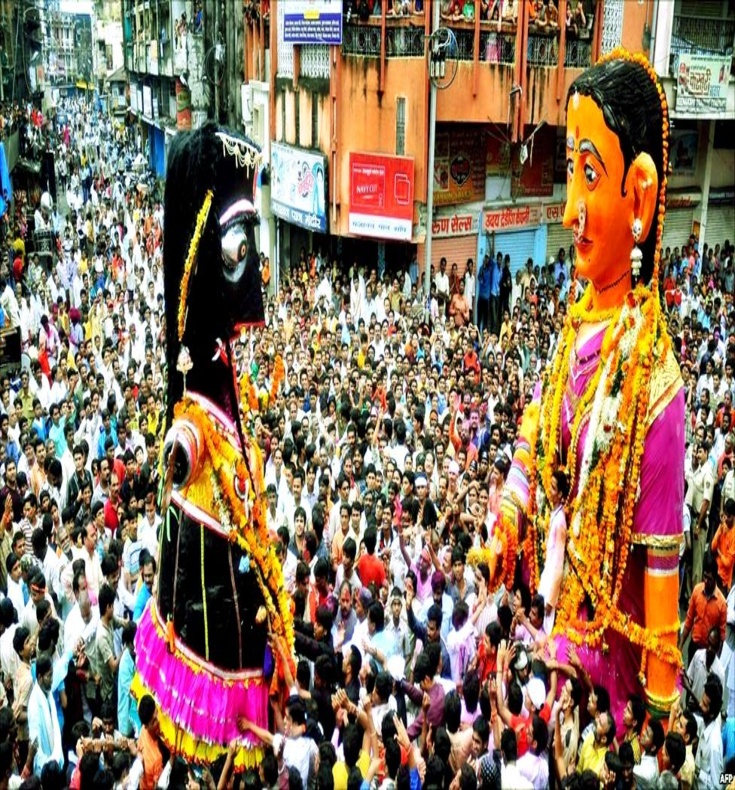
Culturally, Beed District represents the true spirit of Maratha traditions. Folk arts, local customs, and festivals like Ganesh Chaturthi, Dasara, and Diwali are celebrated with great enthusiasm. 

Agriculture – The Backbone of Beed District

Beed District has an agrarian-based economy and plays an important role in the rural economy of Marathwada region, Maharashtra. The district is mainly dependent on agriculture and allied activities, with a large population relying on farming for their livelihood. 

Agriculture

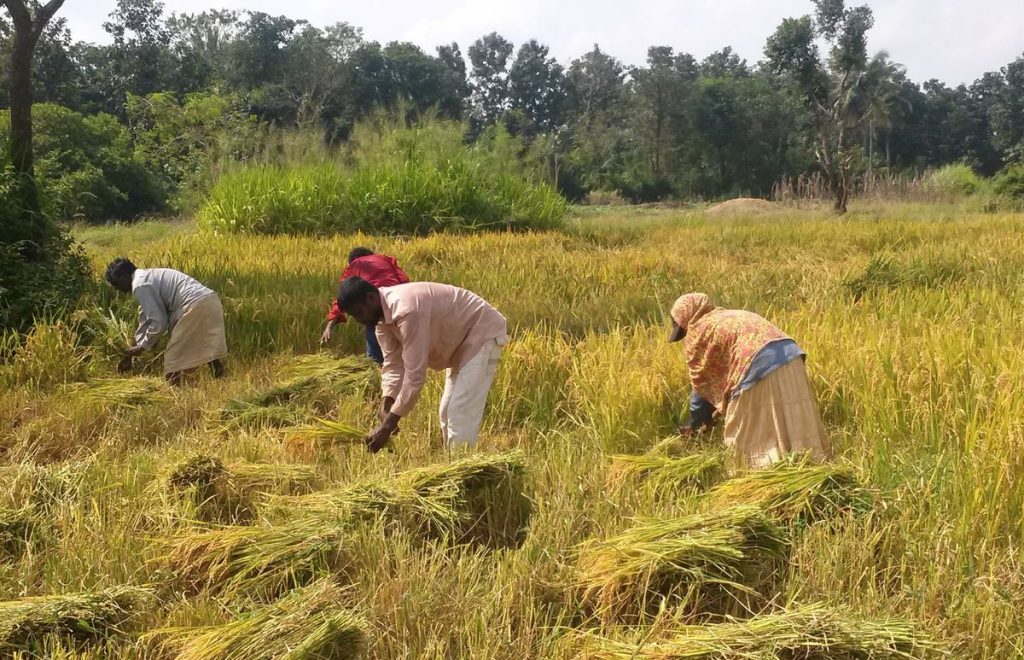
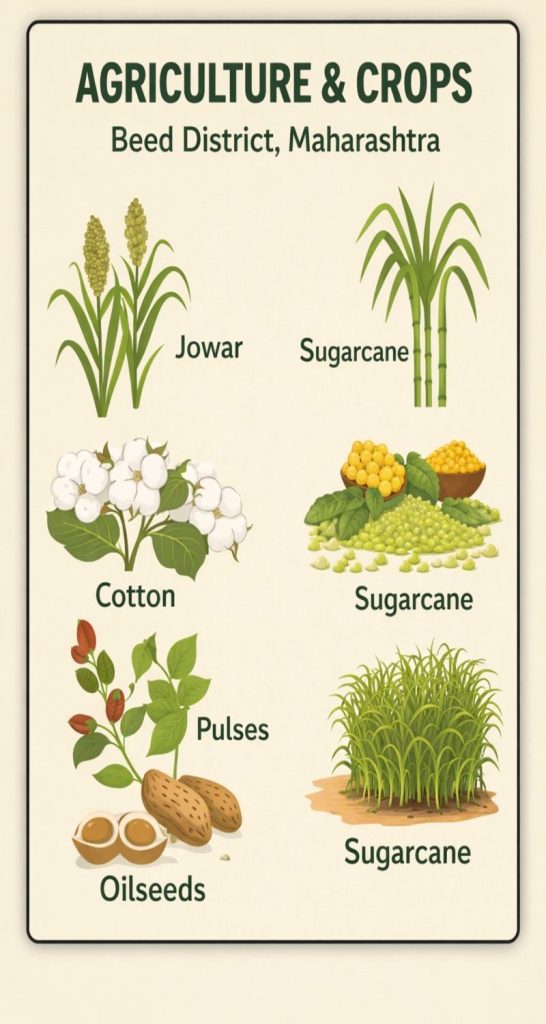
Agriculture is the backbone of Beed District’s economy. Farming largely depends on the monsoon, along with irrigation from wells, canals, and small reservoirs. The soil and climate are suitable for drought-resistant crops.

Major crops include:
  • Jowar (sorghum) – primary food crop

  • Bajra (pearl millet)

  • Cotton – major commercial crop

  • Sugarcane – grown in irrigated areas

  • Pulses such as tur (pigeon pea) and gram

  • Oilseeds like soybean and groundnut


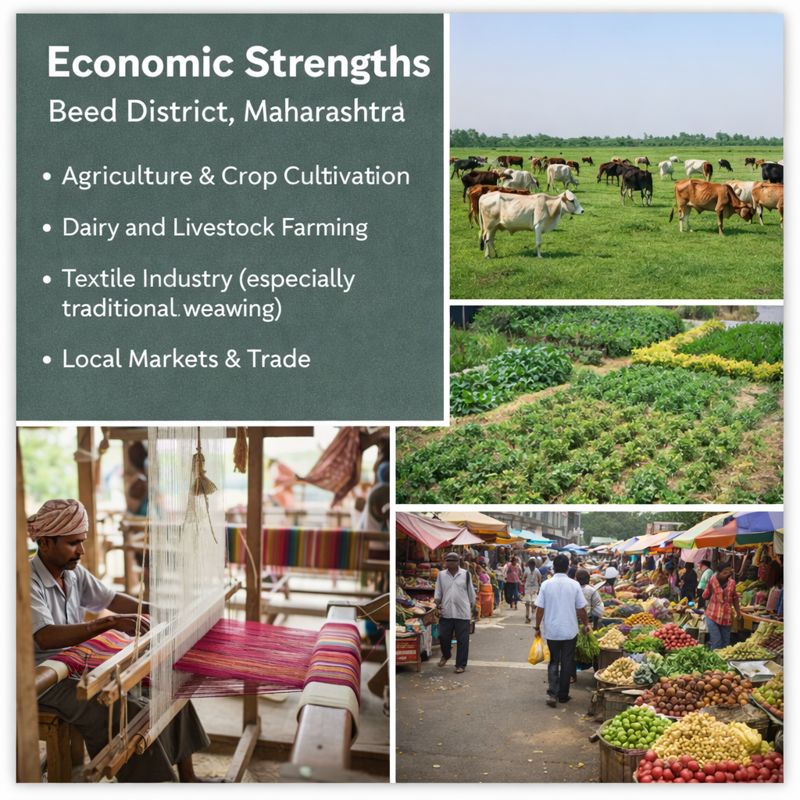
Economic Strengths of Beed District

1. Agriculture and crop cultivation

the backbone of Beed’s economy. Farmers grow crops such as jowar, bajra, cotton, sugarcane, pulses, and oilseeds. These crops support both food security and income generation for the district.

2. Dairy and livestock farming

 Cattle, goats, and sheep rearing provide additional income to farmers through milk, meat, and dairy products. 

3. Textile Industry

The district also has a presence of traditional  and textilehandloom activities, where skilled workers are involved in weaving and small-scale textile production. 

4. Local markets and trade centers

help farmers and small traders sell agricultural produce, vegetables, and daily goods. 

Education and Health Care

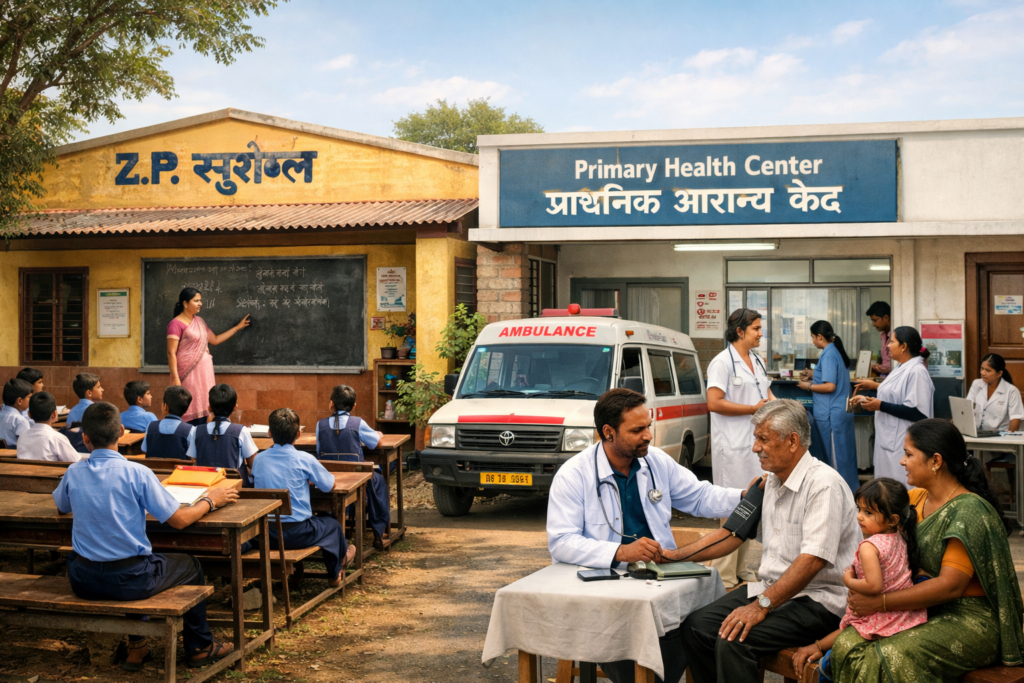
Beed District has been steadily improving in education and health care, supporting the overall development of its people. The district has government and private schools, colleges, and skill training institutes that promote literacy and learning across urban and rural areas. At the same time, health care services are provided through the District Civil Hospital, rural hospitals, and primary health centers, offering essential medical care, maternal and child health services, and preventive programs, reflecting Beed’s commitment to a healthier and educated society. Alongside education, Beed’s health care system serves both town and village populations through the District Civil Hospital, rural hospitals, primary health centers, and community health centers.

Culture & People – Beed District

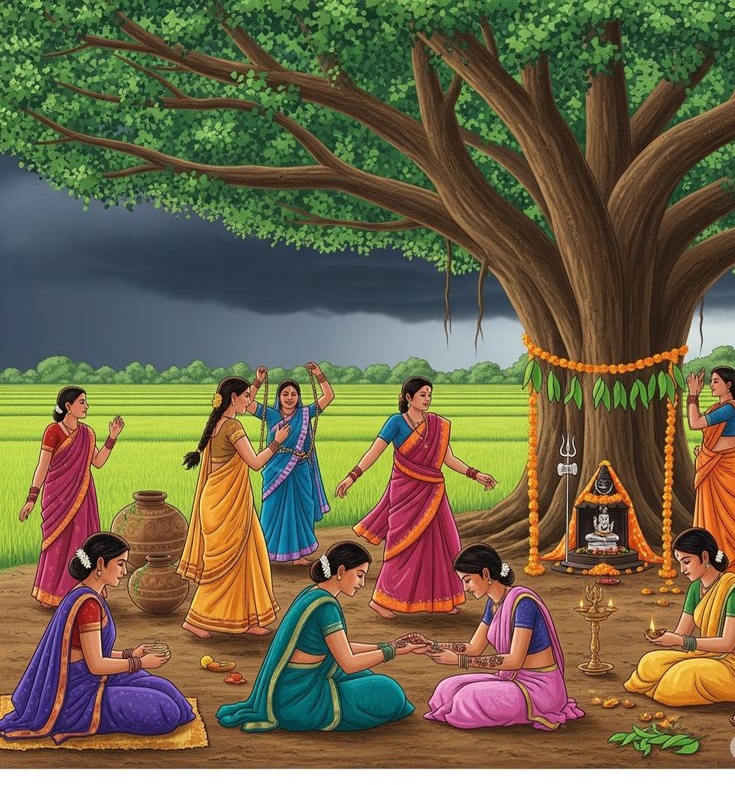
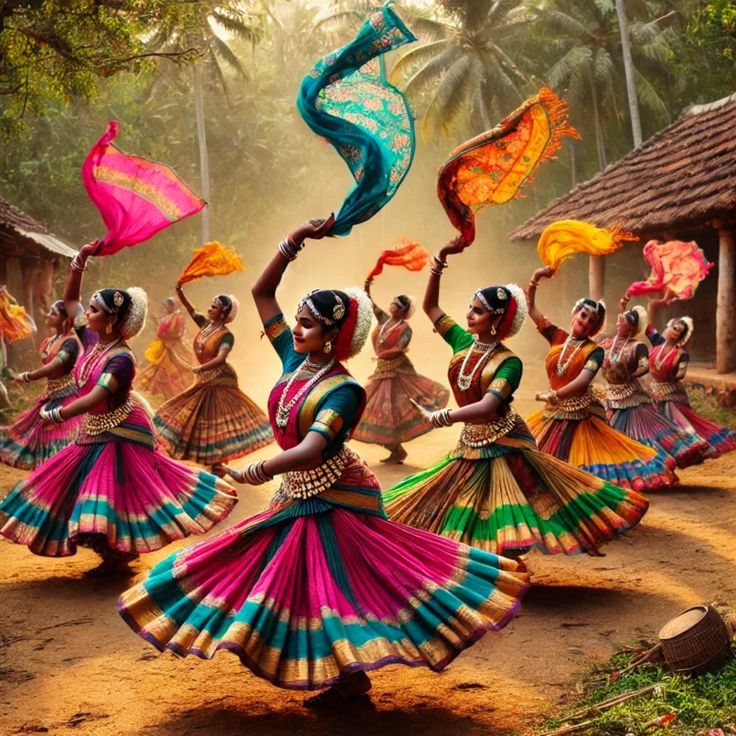
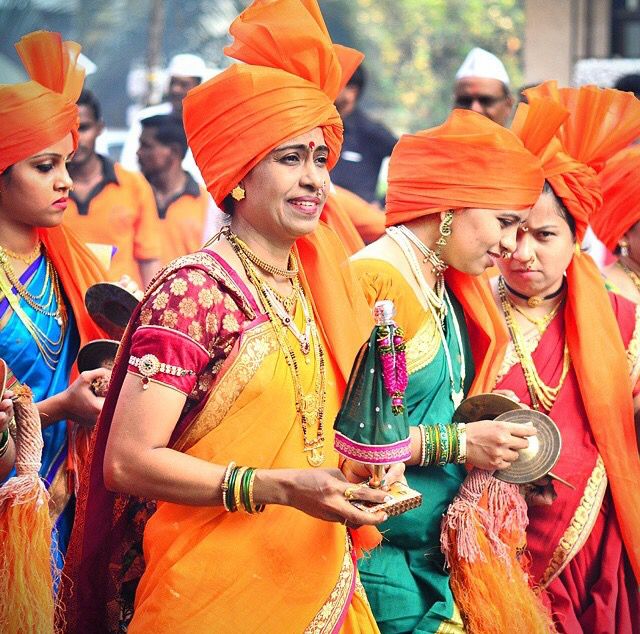
Beed District, located in the Marathwada region of Maharashtra, has a rich and vibrant cultural heritage that reflects the traditional Marathi way of life. The people of Beed are known for their simplicity, resilience, and strong sense of community, which has developed over generations in a region often affected by drought and challenging climatic conditions. Marathi is the main language spoken, along with local dialects that add to the cultural identity of the district. Festivals such as Ganesh Chaturthi, Dasara, Diwali, Makar Sankranti, and Pola are celebrated with great enthusiasm and bring people together across villages and towns. Religious harmony is an important aspect of life in Beed, with temples, mosques, and dargahs playing a significant role in social and spiritual activities. Folk arts like Lavani, Tamasha, Powada, and traditional bhajans are popular forms of cultural expression and are often performed during festivals and village fairs. Traditional attire, including dhoti-kurta for men and sarees for women, is commonly seen, especially in rural areas. Agriculture deeply influences the lifestyle of the people, as most families depend on farming and livestock rearing for their livelihood. Overall, the culture and people of Beed District represent a strong blend of tradition, cultural pride, and unity, preserving their heritage while adapting to modern changes.
Tourism & Attractions

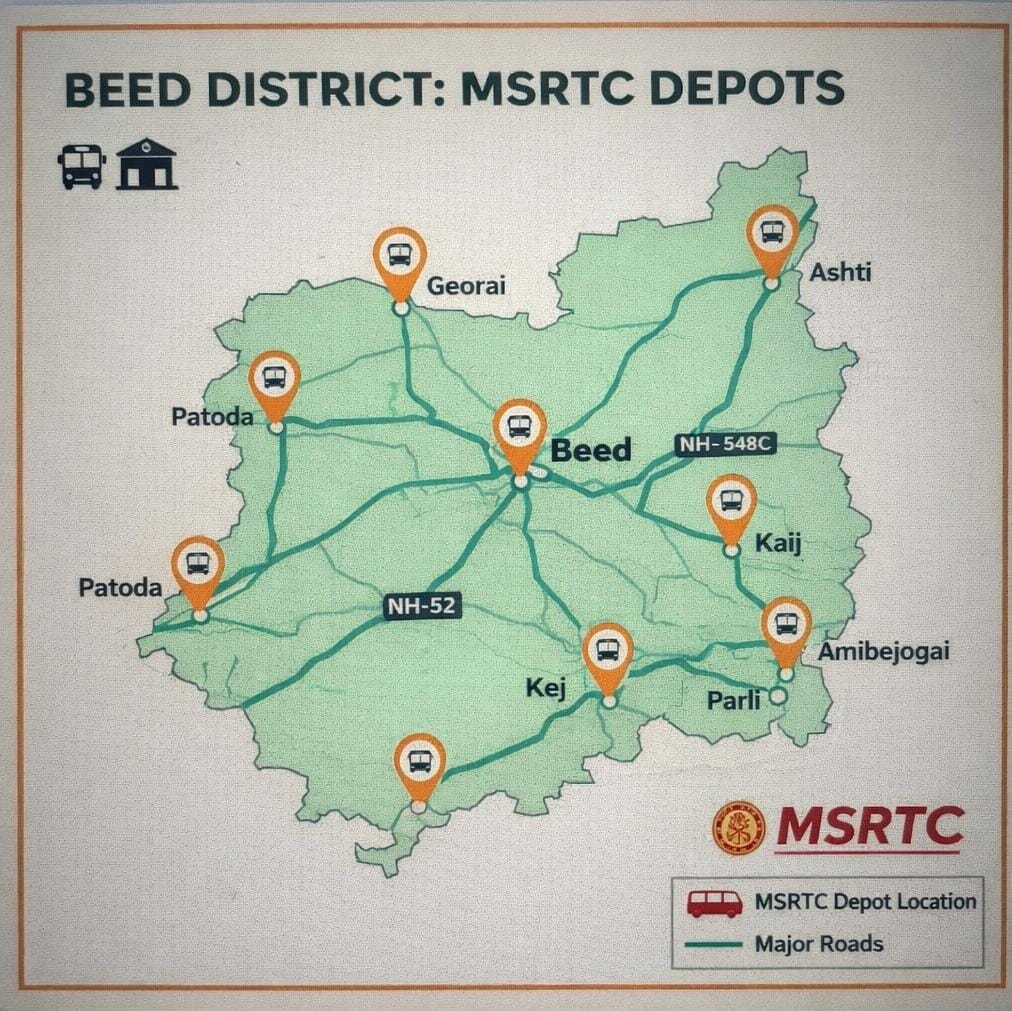
Connectivity & Infrastructure

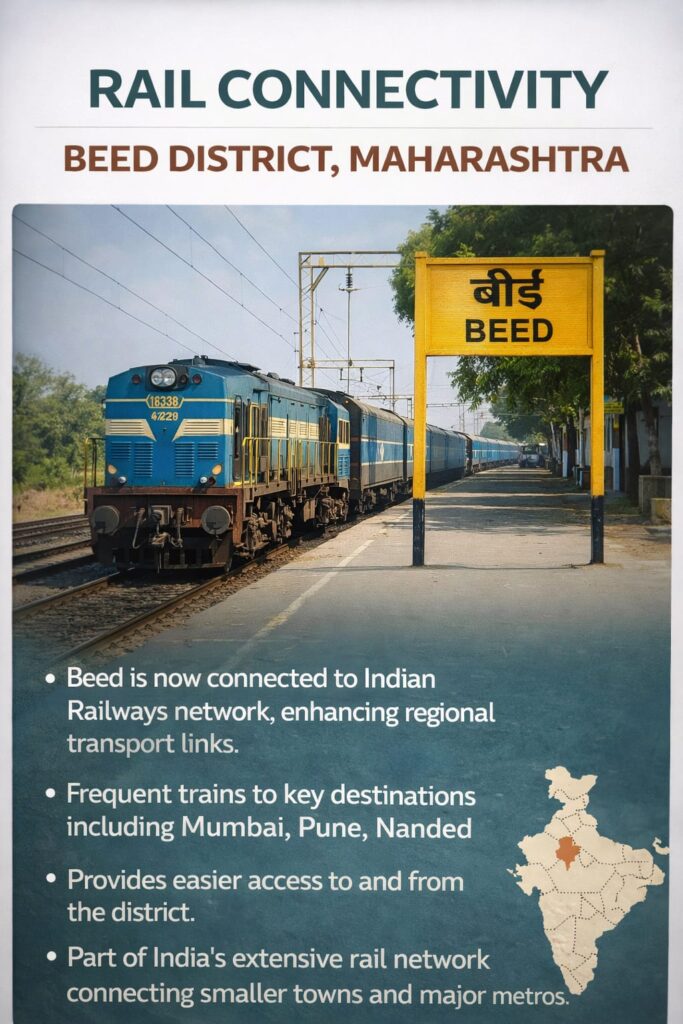
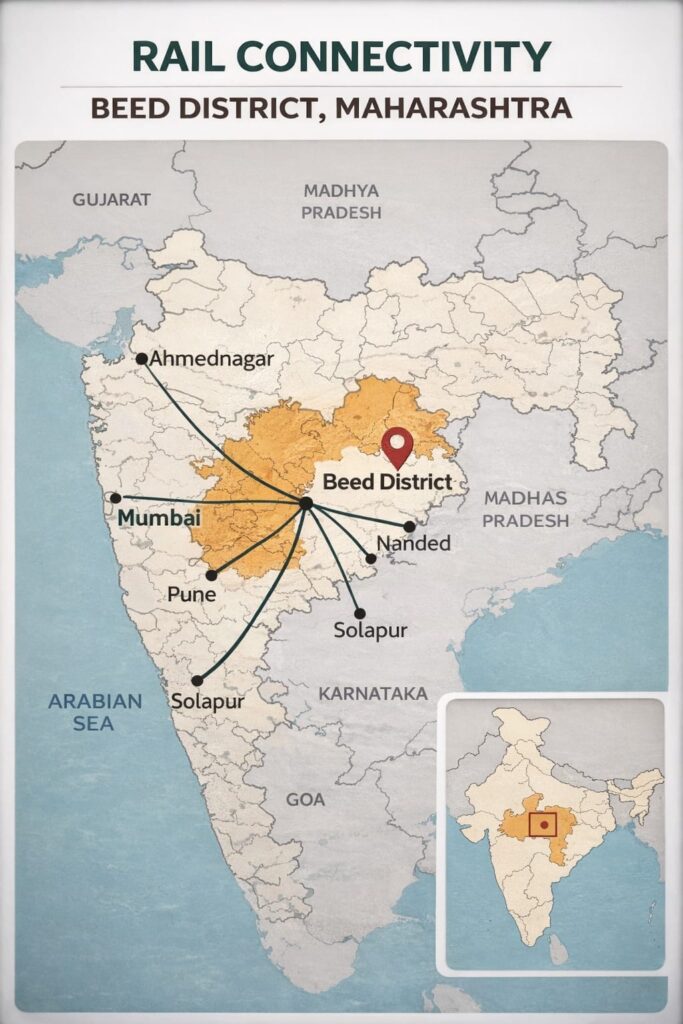
Rail Connectivity

Air Connectivity – Beed District

Key Features of Air Connectivity

  • Nearest Airport: Beed District does not have a commercial airport within the district. The nearest major airport is Aurangabad Airport (Chhatrapati Sambhajinagar), located about 120 km away, providing domestic air connectivity.
  • Domestic Flight Access: Aurangabad Airport connects Beed to major Indian cities such as Mumbai, Delhi, Hyderabad, Pune, and Bengaluru, making long-distance travel easier for residents.

  • Road Link to Airport: Beed is well connected to Aurangabad Airport by state highways and national highways, allowing smooth road travel to the airport.

  • Helipad Facilities: Some administrative and emergency services in Beed use helipad facilities for VIP movement, disaster management, and medical emergencies.

  • Future Development Potential: With increasing development and regional demand, Beed has potential for future air connectivity projects, especially for medical, administrative, and regional travel needs.

Beed Port


Beed District, located in the Marathwada region of Maharashtra, is a completely landlocked district and therefore does not have a sea port or an inland river port. Agricultural products such as cereals, pulses, oilseeds, and other goods produced in Beed are transported by road and rail to major ports of Maharashtra, including Jawaharlal Nehru Port (JNPT) near Mumbai, Mumbai Port, and other coastal ports. 

Situated in the Marathwada region of Maharashtra, Beed District is an inland (landlocked) district and does not have direct access to sea routes. However, its location allows connectivity to:

  • Major road and rail corridors 

  • Coastal ports of Maharashtra 

  • Inland markets of Marathwada 

  • Agricultural and commercial trade route 

Listings
news
Home
jobs
contact